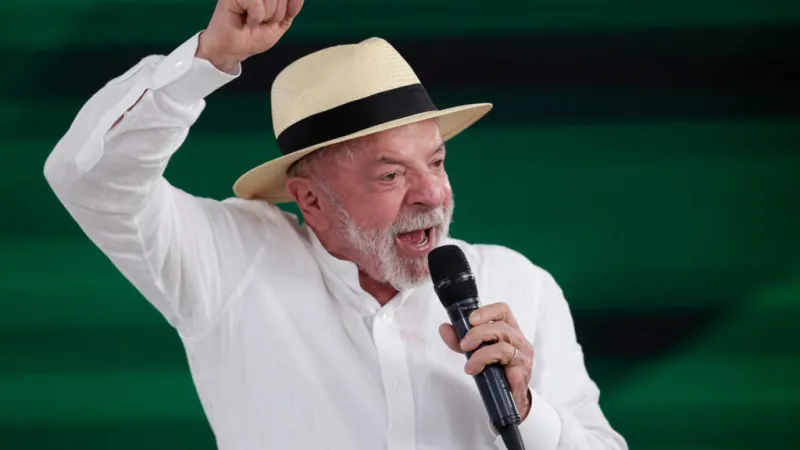
As Brazil approaches its 2026 presidential election, former President Luiz Inácio Lula da Silva is widely considered the strongest candidate on the left, according to political analysts. The assessment comes amid a lack of viable alternative candidates within the left-wing spectrum, as the country grapples with economic and social challenges.
Lula, who previously served as president from 2003 to 2010, remains a dominant figure in Brazilian politics. His potential candidacy has been a topic of intense speculation, though he has not yet officially declared his intention to run. Recent polls suggest that he would be a leading contender if he chooses to enter the race.
However, the political landscape is fraught with uncertainty. The current administration, led by President Jair Bolsonaro, has faced criticism over its handling of the economy and the Amazon rainforest. Bolsonaro has not yet confirmed whether he will seek re-election, but his supporters remain vocal.
Analysts note that the left's reliance on Lula underscores a broader problem: the lack of a new generation of leaders who can challenge the right-wing populism that has gained traction in Brazil. This dynamic could shape the outcome of the election, which is scheduled for October 2026.
As the campaign season approaches, Lula's legal status remains a key factor. His convictions were annulled in 2021, allowing him to run again. Nevertheless, his candidacy is not guaranteed, and the left may need to rally behind an alternative if he steps aside.