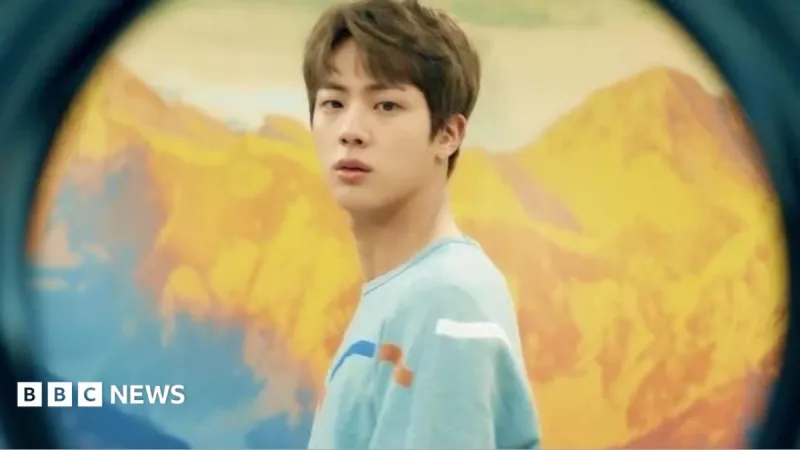
On a sunny Saturday in June, Lee Yeon-su took the day off from work and traveled from Seoul to Busan for another BTS concert, her third in as many months. She joined thousands of fans, known as ARMY, who have remained fiercely loyal to the K-pop supergroup despite increasing government scrutiny.
South Korean authorities have expressed concern over BTS's massive influence, particularly among young people, viewing it as a potential distraction from national priorities. In 2025, the government launched a campaign to promote 'balanced cultural consumption,' which critics say targets BTS fandom. However, fans like Lee argue that the group provides emotional support and a sense of community.
BTS, formed in 2010, has achieved global success with hits like 'Dynamite' and 'Butter.' The group's members began mandatory military service in 2022, with all seven expected to complete it by 2025. Despite this hiatus, their music and fan engagement remain strong.
The tension between the government and BTS fans reflects broader debates about freedom of expression and cultural identity in South Korea. While officials worry about overzealous fandom, supporters see the group as a positive force that promotes mental health awareness and self-acceptance.