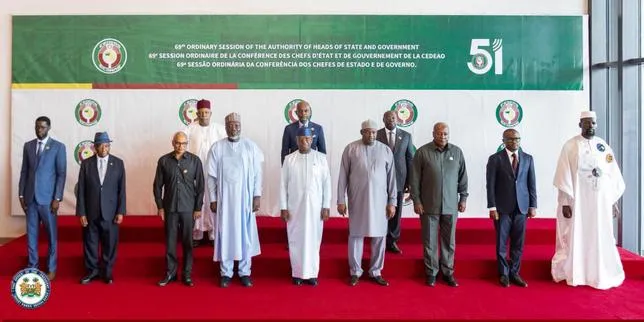
The Economic Community of West African States (ECOWAS) has formally approved the construction of the Nigeria-Morocco gas pipeline, a massive energy project that has been under discussion for years. The pipeline, stretching approximately 5,600 kilometers, is designed to transport natural gas from Nigeria to Morocco, passing through several West African countries including Benin, Togo, Ghana, Côte d'Ivoire, Liberia, Sierra Leone, Guinea, Guinea-Bissau, Gambia, Senegal, and Mauritania.
The project, initially signed in 2016 between the Nigerian National Petroleum Corporation (NNPC) and Morocco's Office National des Hydrocarbures et des Mines (ONHYM), aims to enhance energy security and economic integration in the region. It is expected to supply gas to over 15 countries and potentially extend to Europe. The approval by ECOWAS marks a significant step forward, though construction timelines and financing details remain unconfirmed.
The pipeline is estimated to cost between $25 billion and $30 billion, according to reports from the African Development Bank. It is seen as a strategic alternative to the Trans-Saharan Gas Pipeline, which would have crossed Algeria. The project faces challenges including security risks in some transit countries and environmental concerns, but proponents highlight its potential to reduce gas flaring in Nigeria and provide clean energy to millions.