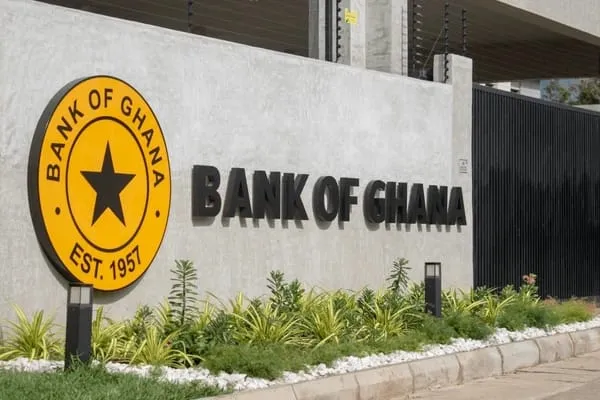
Ghana's Monetary Policy Committee (MPC) on July 20, 2026, decided to keep the policy rate unchanged at 29%, according to a statement from the Bank of Ghana. The decision comes as inflation, though moderating, remains elevated, and the cedi continues to face depreciation pressures amid global economic uncertainties.
The MPC noted that headline inflation declined to 22.8% in June 2026 from 23.1% in May, but remains well above the central bank's target band of 6-10%. Core inflation, which excludes volatile items, also eased but stayed high. The committee cited risks from food prices, transport costs, and exchange rate pass-through.
On the currency front, the cedi has depreciated by about 15% against the US dollar so far in 2026, driven by strong dollar demand and reduced foreign exchange inflows. The Bank of Ghana has intervened in the forex market to stabilize the cedi, but pressures persist due to global factors such as tighter monetary policy in advanced economies and commodity price volatility.
The MPC also highlighted global risks, including slower growth in China, geopolitical tensions, and volatile capital flows to emerging markets. Domestically, fiscal consolidation efforts under the IMF program are progressing, but revenue shortfalls and high debt servicing costs remain challenges.
Analysts expect the MPC to maintain a cautious stance in the near term, with potential rate cuts only if inflation shows sustained decline and the cedi stabilizes. The next MPC meeting is scheduled for September 2026.