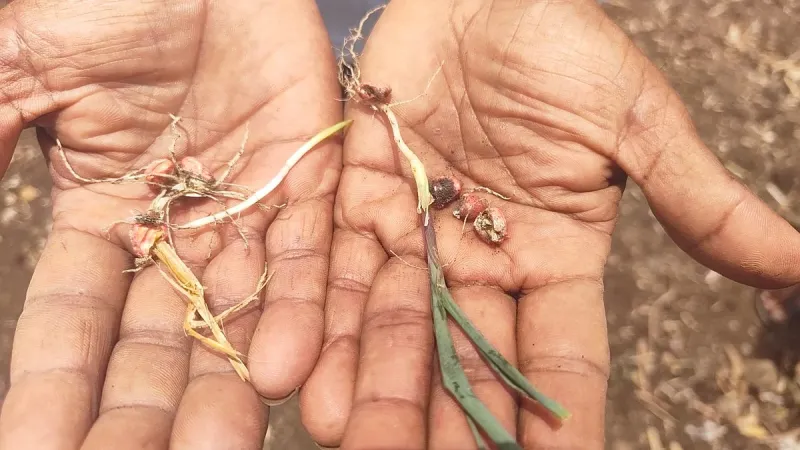
As of July 15, 2026, delayed monsoon rains across several Indian states have led to the rotting of kharif seeds, causing heavy financial losses for farmers. According to reports from the India Meteorological Department (IMD), the monsoon has been delayed by up to two weeks in key agricultural regions, including parts of Uttar Pradesh, Madhya Pradesh, and Maharashtra.
Farmers in these areas had sown kharif crops such as paddy, soybean, and cotton in anticipation of timely rains, but the prolonged dry spell followed by sudden heavy downpours has resulted in seed rot and poor germination. Local agricultural officials estimate that up to 30% of sown seeds have been affected in some districts, leading to potential yield reductions.
The Indian government has announced compensation measures for affected farmers, including financial aid and the distribution of replacement seeds. However, many farmers express concern over the timing, as the window for re-sowing is narrowing. The IMD forecasts normal rainfall for the remainder of the monsoon season, but experts warn that the initial delay could impact overall crop output.