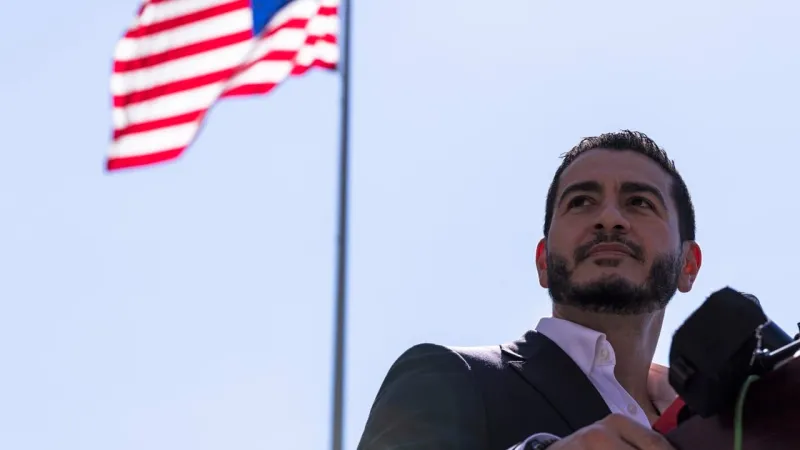
Progressive candidates are increasingly leveraging podcasts and other digital platforms to convert national online followings into primary election victories, according to recent analyses. This strategy has proven effective in several races, where candidates with strong digital presences have outperformed traditional fundraising and organizational advantages.
For example, in the 2024 election cycle, progressive challengers like Summer Lee in Pennsylvania and Greg Casar in Texas used digital media to mobilize young and diverse voters, securing primary wins against more established opponents. Their success highlights the growing influence of left-wing media ecosystems in shaping political outcomes.
Experts note that this trend reflects a broader shift in political communication, as candidates bypass traditional gatekeepers to reach voters directly. However, some caution that digital popularity does not always translate to general election success, as seen in certain 2024 races where progressive candidates lost in competitive districts.
As of August 2026, the impact of this media strategy continues to evolve, with more candidates adopting similar approaches in upcoming primaries. The long-term implications for the Democratic Party and American politics remain a subject of debate among strategists and analysts.