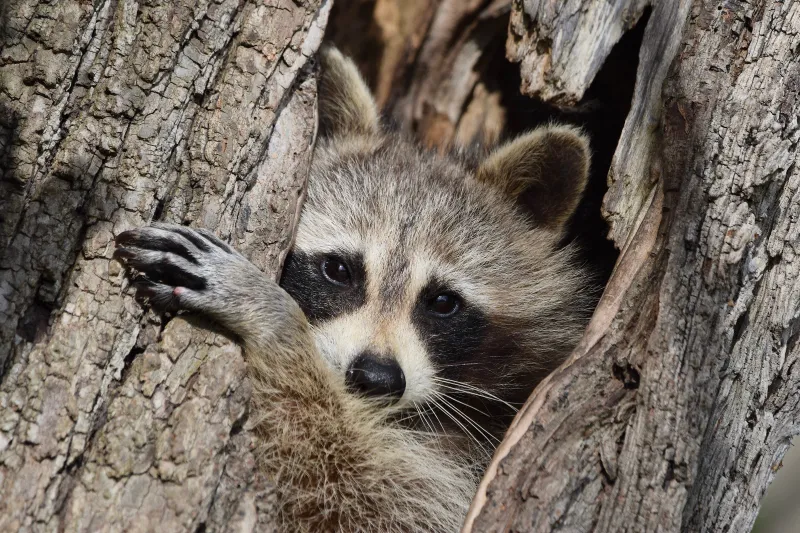
Raccoons, known for their adaptability and omnivorous diet, are increasingly falling into waste collection bins as they scavenge for human food scraps. This trend has been observed in urban and suburban areas across North America, where the animals climb into bins but struggle to escape due to smooth sides and heavy lids.
According to wildlife experts, the problem has escalated with the widespread use of wheeled waste bins, which are difficult for raccoons to exit once inside. Reports from animal control services indicate a rise in calls about trapped raccoons, particularly during warmer months when food waste is more abundant.
To mitigate this issue, some municipalities have introduced wildlife-resistant bins with locking mechanisms or angled lids that prevent raccoons from entering. However, these solutions are not yet universal, and experts recommend that residents secure their bins with bungee cords or other restraints to reduce entrapment risks.
The phenomenon highlights the ongoing interaction between urban wildlife and human infrastructure, with raccoons adapting to city life but facing new hazards as a result.