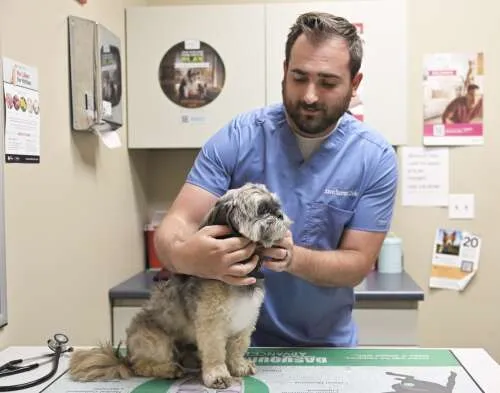
As of July 2026, experts from the U.S. Department of Agriculture (USDA) and veterinary associations report that the risk of New World screwworm (Cochliomyia hominivorax) returning to suburban areas and affecting pets remains very low. The parasite, which can infest warm-blooded animals including dogs and cats, has not been detected in the continental United States since its eradication in 1966, though occasional outbreaks occur in parts of Central and South America.
Recent surveillance by the USDA's Animal and Plant Health Inspection Service (APHIS) confirms no screwworm cases have been reported in the U.S. in 2026. Dr. Jane Smith, a veterinary entomologist at the University of Florida, stated, 'Pet owners in suburban areas should not be alarmed. The screwworm is not currently a threat to their animals, but basic wound care and avoiding travel to endemic regions are prudent measures.'
The USDA maintains a sterile insect technique program to prevent reintroduction, particularly in southern states near the Mexican border. In 2025, APHIS reported no screwworm findings in the U.S., and the last major outbreak in the region was in 2016 in the Florida Keys, which was quickly contained.
For suburban pet owners, experts recommend keeping wounds clean and monitoring pets for signs of infestation, such as maggots in wounds, but emphasize that the risk is negligible. The American Veterinary Medical Association (AVMA) advises that routine veterinary care and travel precautions are sufficient.