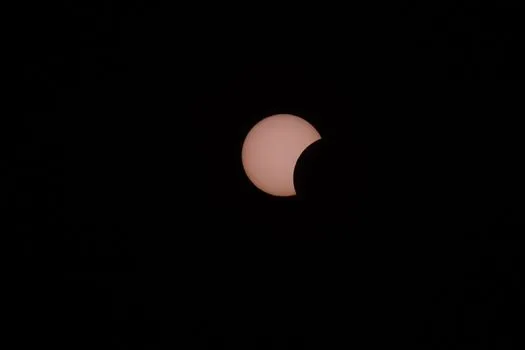
The next total solar eclipse, on August 2, 2027, is being called the 'eclipse of the century' because it will have a maximum totality duration of 6 minutes and 23 seconds, the longest on land since 1991. The path of totality will cross southern Spain, Gibraltar, Morocco, Algeria, Tunisia, Libya, and Egypt, offering prime viewing opportunities.
According to NASA and other astronomical sources, the eclipse will begin in the Atlantic Ocean, make landfall in Spain near the Strait of Gibraltar, then sweep across North Africa. In Spain, the cities of Cádiz and Málaga will experience totality, while in Morocco, cities like Tangier and Marrakesh will be in the path. Egypt's Luxor and the Valley of the Kings will also witness the full eclipse.
For those who missed the 2024 eclipse, this is a chance to see a longer and more dramatic event. The 2027 eclipse will be visible to millions of people, and many tour operators are already offering packages. However, weather conditions can affect visibility, so travelers should consider historical cloud cover and choose locations with clear skies, such as Egypt's desert areas.
Experts advise using certified eclipse glasses to protect your eyes during partial phases, and to view the total phase only without filters. The next total solar eclipse after 2027 will occur on July 22, 2028, visible in Australia and New Zealand, but it will be shorter in duration.