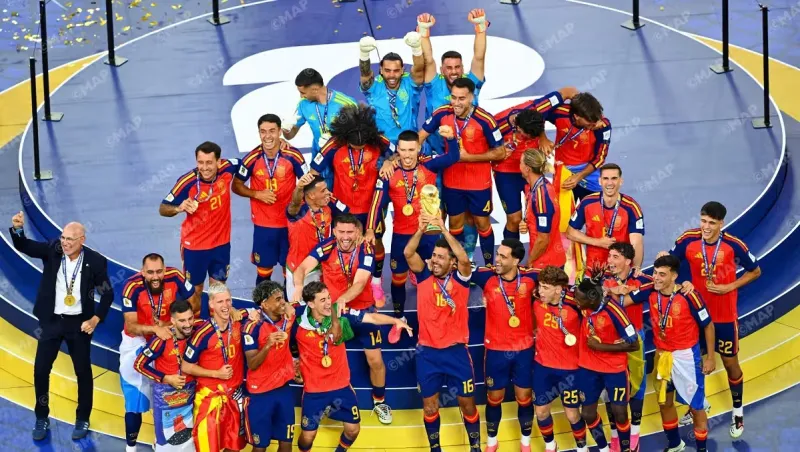
Football, often seen as a neutral ground, has become increasingly politicized in recent years. Major events like the 2030 FIFA World Cup, co-hosted by Spain, Portugal, and Morocco, are now viewed as strategic assets for states, according to experts.
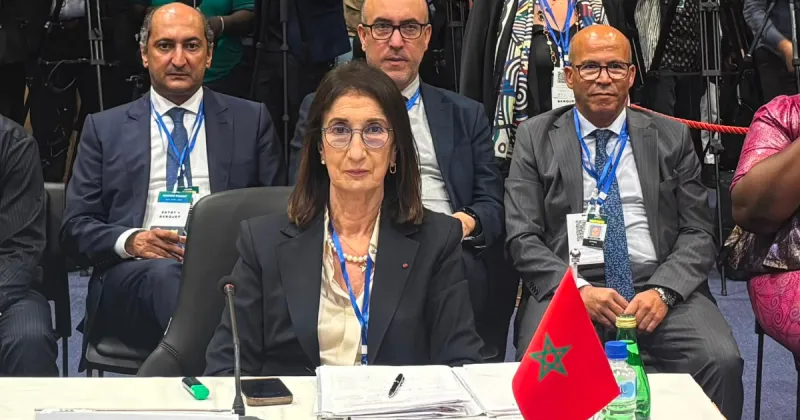
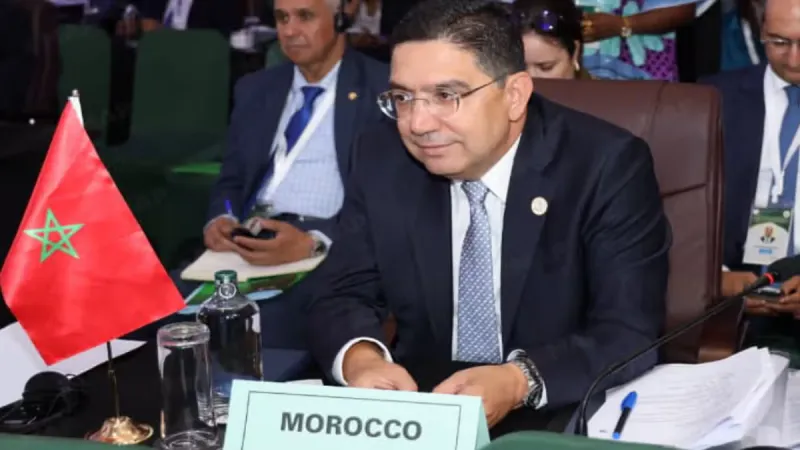
The Ibero-Moroccan axis in football reflects broader diplomatic and economic ties. Morocco's bid for the 2030 World Cup, alongside Spain and Portugal, was seen as a move to strengthen its position in Africa and Europe, while Spain and Portugal used the bid to reinforce their influence in North Africa.
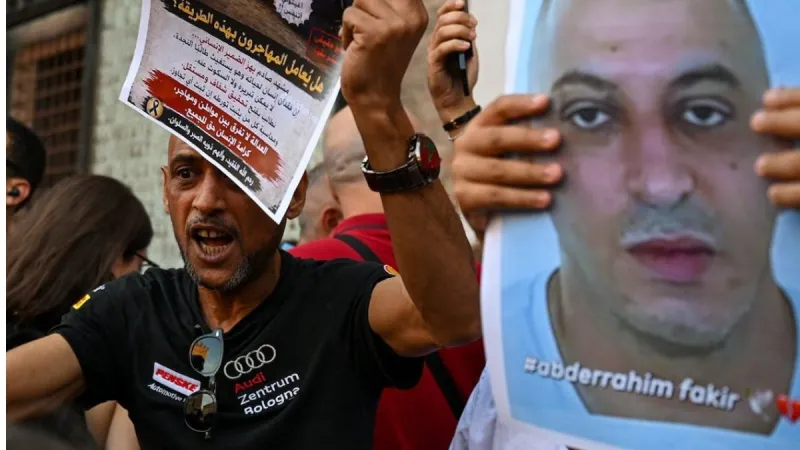
This cooperation extends beyond the World Cup. Joint training programs, youth academies, and friendly matches have been organized to foster ties. However, critics argue that such initiatives often serve as soft power tools, diverting attention from domestic issues or human rights concerns.
As of July 2026, the 2030 World Cup preparations are ongoing, with infrastructure projects in all three countries. The tournament is expected to further deepen the political and economic integration of the region.