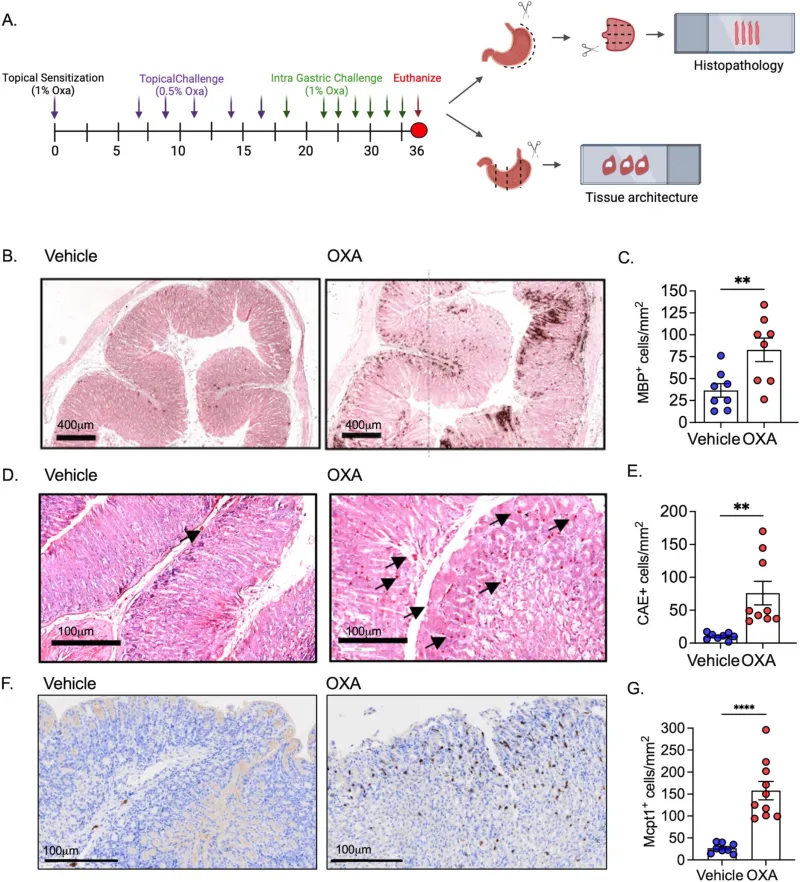
Researchers at Tel Aviv University have developed one of the first experimental models that faithfully reproduces eosinophilic gastritis (EoG), a rare but increasingly recognized allergic disease of the stomach. Using this model, they identified the immune mechanisms that drive the development of the condition, according to a study published in the journal Nature Communications on July 13, 2026.
The study, led by Dr. Ariel Munitz and his team at the Sackler Faculty of Medicine, focused on the role of specific immune cells, including eosinophils and T cells, in triggering inflammation in the stomach lining. The model allowed the researchers to observe how these cells interact and cause symptoms such as abdominal pain, nausea, and vomiting.
Eosinophilic gastritis is characterized by an accumulation of eosinophils, a type of white blood cell, in the stomach tissue. The condition can lead to chronic inflammation and, in severe cases, scarring. The new model provides a platform for testing potential treatments, which currently are limited to dietary changes and steroids.
The researchers hope that this breakthrough will accelerate the development of targeted therapies for patients with EoG, which affects an estimated 1 in 10,000 people worldwide. The study was funded by the Israel Science Foundation and the U.S. National Institutes of Health.