A new study published in Proceedings of the National Academy of Sciences on July 14, 2026, reveals that honey bee larvae have significantly reduced olfactory capabilities compared to adult bees. Researchers from the University of California, San Diego, found that this temporary loss of function is a side effect of the intense care provided by nurse bees.
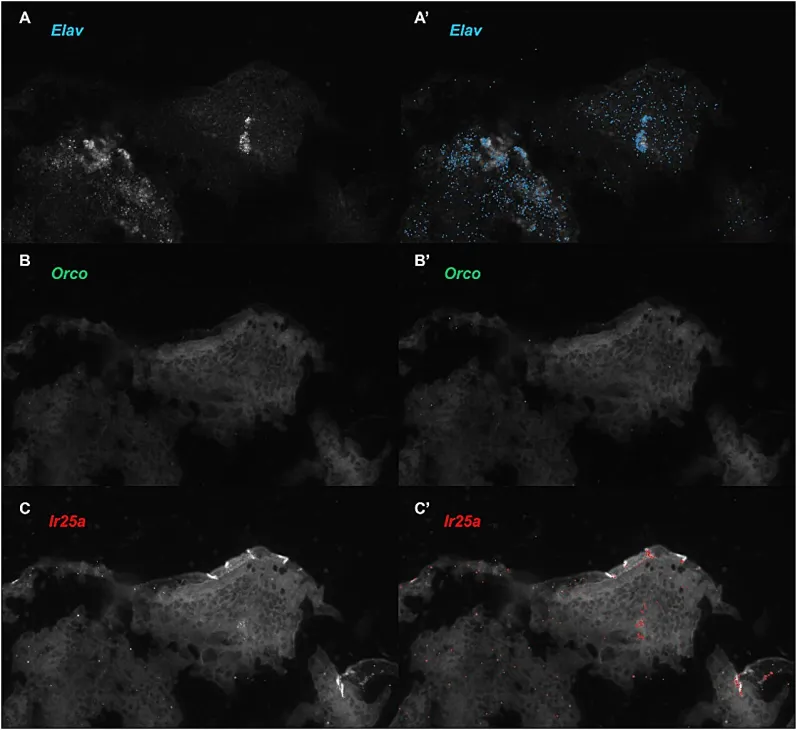
The study, led by Dr. Sarah Johnson, shows that nurse bees produce a brood pheromone that suppresses the development of olfactory neurons in larvae. This suppression allows larvae to focus energy on growth and development, but it also means they cannot detect odors as effectively as adults. The researchers used RNA sequencing and behavioral assays to confirm these findings.
Dr. Johnson explained, 'This is a trade-off: larvae benefit from the care of nurse bees, but at the cost of their own sensory abilities. It highlights the complex social dynamics within a hive.' The study involved observing 500 larvae across 10 hives over a 21-day period.
The findings have implications for understanding how social insects evolve and adapt. Future research may explore whether similar mechanisms exist in other eusocial species, such as ants or termites.