Iran's record on religious minority rights has been a subject of international concern, with reports from human rights organizations documenting restrictions on Jews, Christians, and other groups since the 1979 Islamic Revolution. The Islamic Republic's constitution recognizes certain minorities but imposes limitations on religious practice and political participation.
According to the U.S. State Department's 2025 International Religious Freedom Report, Iran's government continues to discriminate against religious minorities, including Baha'is, Christians, and Sunni Muslims. Jewish and Christian communities face restrictions on worship, education, and employment, though they are officially recognized as protected minorities under the constitution.
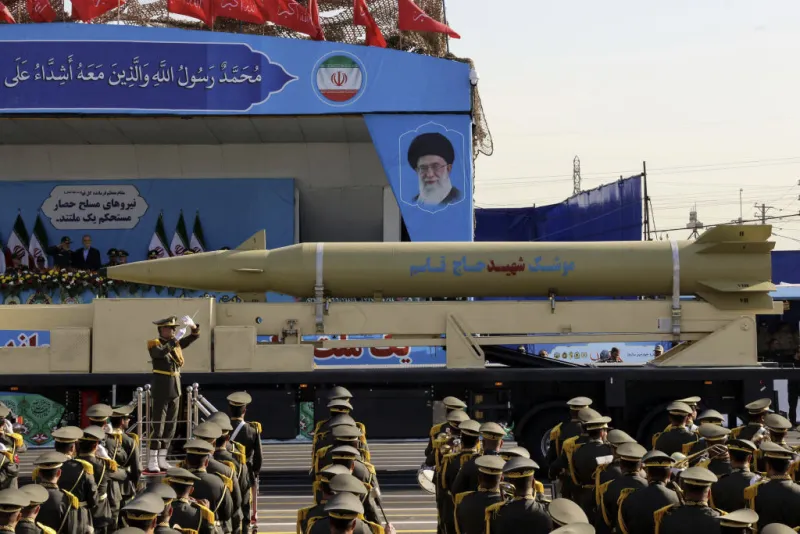
Iran's Islamic Revolutionary Guard Corps (IRGC) and affiliated groups have been accused of involvement in human rights abuses, including suppression of minority rights. However, claims of an 'insatiable drive to wipe out' these groups are not supported by verifiable evidence from major human rights organizations, which document systemic discrimination rather than genocide.
International bodies, including the United Nations Human Rights Council, have repeatedly called on Iran to improve its treatment of minorities. As of July 2026, no consensus exists on the extent of the threat, but ongoing reports highlight the need for continued monitoring and dialogue.