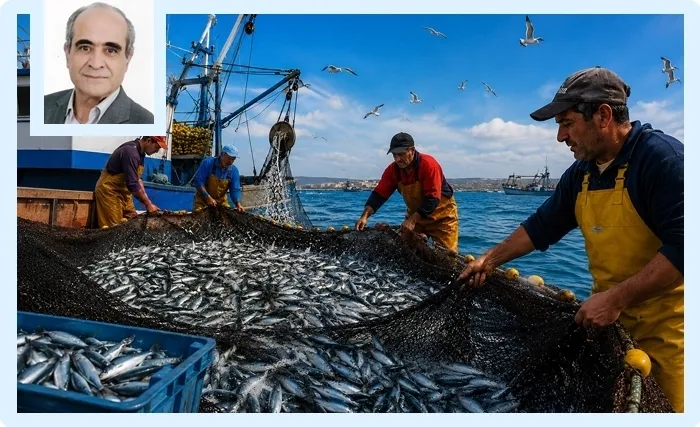
Tunisian sardines, a staple of the local diet and a key economic driver, are facing significant challenges due to overfishing and climate change. According to a 2025 report by the Tunisian Ministry of Agriculture, sardine catches have declined by 40% over the past decade, from 120,000 tons in 2015 to 72,000 tons in 2024. This decline threatens the livelihoods of thousands of fishermen and the food security of coastal communities.
The Mediterranean Sea, where Tunisian sardines are primarily caught, has warmed by 0.4°C since 2000, according to the Intergovernmental Panel on Climate Change (IPCC). This warming disrupts sardine spawning patterns and reduces plankton availability, their primary food source. A 2024 study by the National Institute of Marine Sciences and Technologies (INSTM) in Tunisia found that sardine larvae survival rates have dropped by 25% since 2010.
In response, the Tunisian government has implemented new regulations, including a seasonal fishing ban from June to August, starting in 2025, to allow sardine populations to recover. The ban is enforced by the Tunisian Coast Guard, which reported a 30% reduction in illegal fishing in 2025. However, enforcement remains challenging due to limited resources.
Local fishermen, like Ali Ben Salem from the port of Sfax, express concern. 'We used to catch 500 kg per trip; now we are lucky to get 100 kg,' he told Tunisian state radio in March 2026. The government is also promoting aquaculture as an alternative, with a 2026 pilot project in the Gulf of Gabès aiming to produce 5,000 tons of farmed sardines annually by 2028.