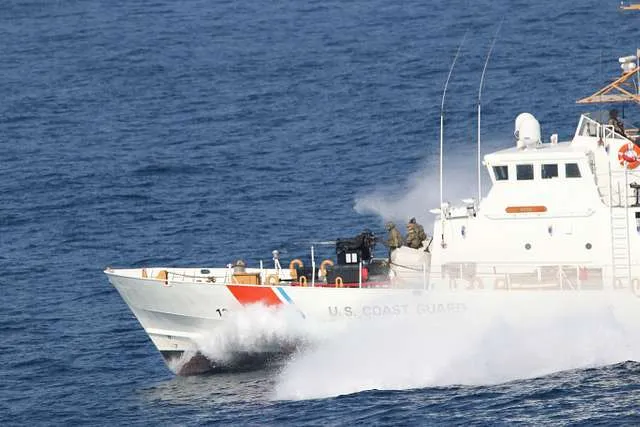
In a recent analysis for The Conversation, Andreas Krieg of King's College London argues that the United States' strategy of relying solely on coercive measures, or 'sticks,' against Iran is ineffective and that Washington must also offer incentives, or 'carrots,' to de-escalate tensions in the Persian Gulf. Krieg's commentary follows a series of incidents where Iranian forces allegedly attacked Gulf vessels transiting through Omani sovereign waters, prompting a U.S. response that included canceling waivers for certain sanctions.
Krieg contends that the U.S. 'maximum pressure' campaign has failed to change Iran's behavior and has instead fueled a cycle of escalation. He points to the need for a more nuanced approach that combines economic pressure with diplomatic openings, such as negotiating a new nuclear deal or providing sanctions relief in exchange for verifiable changes in Iran's regional activities. The analyst emphasizes that without such incentives, Iran is likely to continue its provocative actions, including attacks on shipping and support for proxy forces.
The article highlights that the recent attacks on Gulf vessels occurred in Omani waters, a critical chokepoint for global oil shipments. The U.S. responded by revoking waivers that had allowed some countries to continue buying Iranian oil, a move that Krieg argues may further antagonize Tehran without achieving strategic goals. He calls for a more balanced policy that recognizes Iran's legitimate security concerns while holding it accountable for destabilizing actions.
Krieg's analysis reflects a broader debate among foreign policy experts about the effectiveness of the U.S. approach to Iran. Some argue that only sustained pressure will bring Iran to the negotiating table, while others, like Krieg, believe that a mix of pressure and incentives is necessary to break the current impasse. The situation remains fluid, with no clear path to de-escalation as of mid-2026.